An exegesis by Ray Lin
Submitted in partial fulfilment of the requirements for the degree of Master of Arts Screen: Music at the Australian Film Television & Radio School 2023

Chapter 1: Introduction
Establishment of research background
In the highly globalised society of the 21st century, the exchange and hybridity of culture is an important notion of the current era, as it “captures the spirit of the times with its obligatory celebration of cultural difference and fusion”; as a result of the globalised mantra of “unfettered” exchange in the economy and the “supposedly inevitable transformation of all cultures” (Kraidy, 2005, p. 1). The emergence of cross-cultural works in the arts sector gained significant momentum when films that incorporate cultural elements gained prominence in Hollywood in the 90s, with John Woo directing Broken Arrow in 1995, and Rush Hour in 1998, followed by films including Rush Hour 2 (2001), Kiss of the Dragon (2001) among others (Pham, 2004). While screenwriting has an important impact on the making of a film, filmmakers could often use music to add another dimension to a work by using music that “bears a specific cultural significance” (Pramaggiore, M., & Wallis, T., 2007, p. 269). Film scores add another layer of storytelling to the work by extending the language of film beyond the frames, and in certain situations, the music is tasked with expressing the underlying meanings or messages that the director has intentionally omitted on screen (Mativetsky, 2002). Moreover, screen composition plays a vital role in the storytelling in films with cultural bearing to give the audience the full experience of the story, and therefore a research question was raised:
What is the role of instrumentation and orchestration in cross-cultural music composition for media?
This research question aims to provide an overarching frame to cumulate and summarise research and experiments in instrumentation, orchestration and composition in writing music for cross-cultural media projects and more importantly, investigate the roles of ethnic instruments in a cross-cultural score and the different ways of incorporating them with standard Western instruments. Despite most of the research in this exegesis being Asian culture orientated due to the nature of the two key creative projects Chicken Salad (working title) and Sister Drum, the overarching concept is that these skills are transferable for all similar cross-cultural compositions for media that involve cultures beyond the Asian regions. Through the composition and research process, a unique system of categorization of orchestration methods for incorporating ethnic instruments into a Western score is produced to assist the composition process of related creative works in the future.
Introduction of Creative Projects
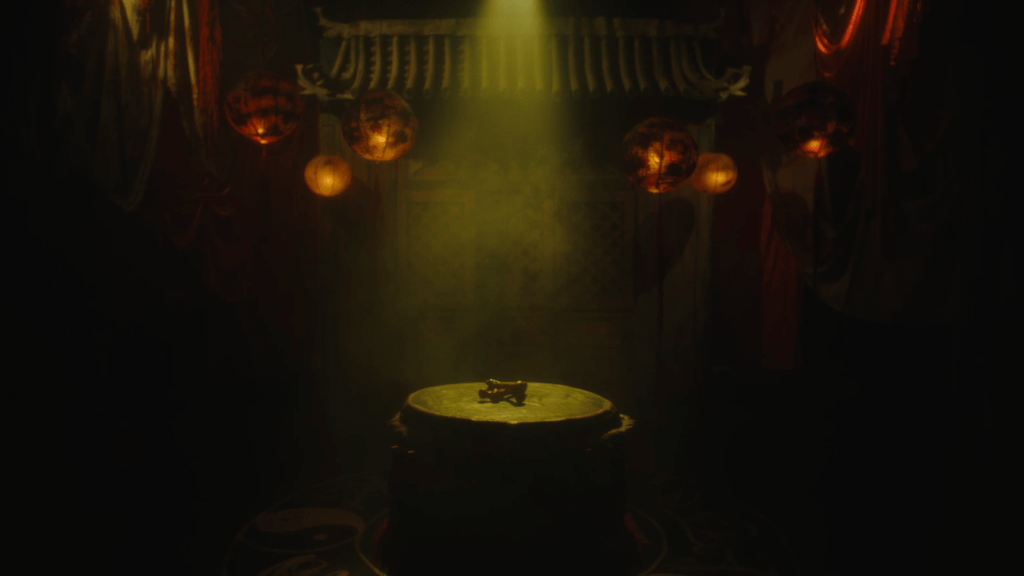
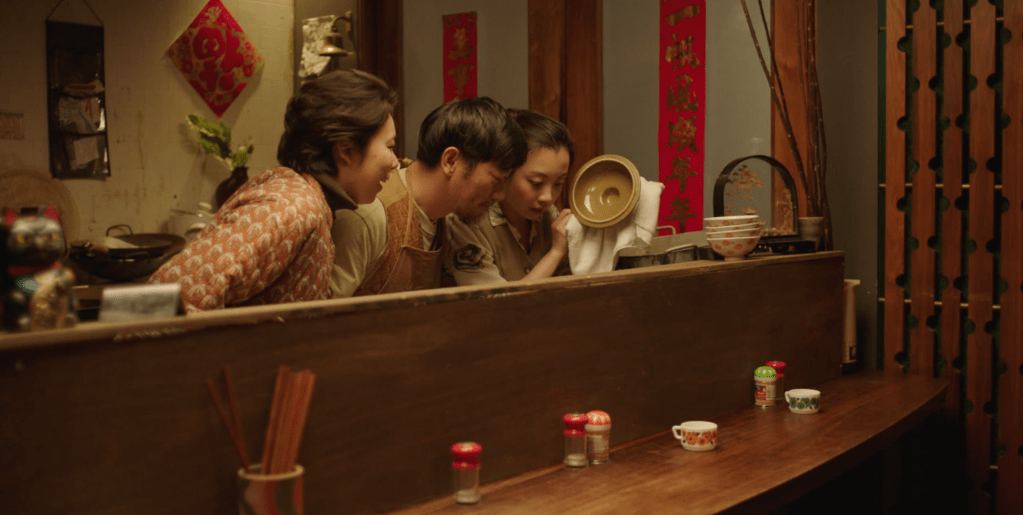
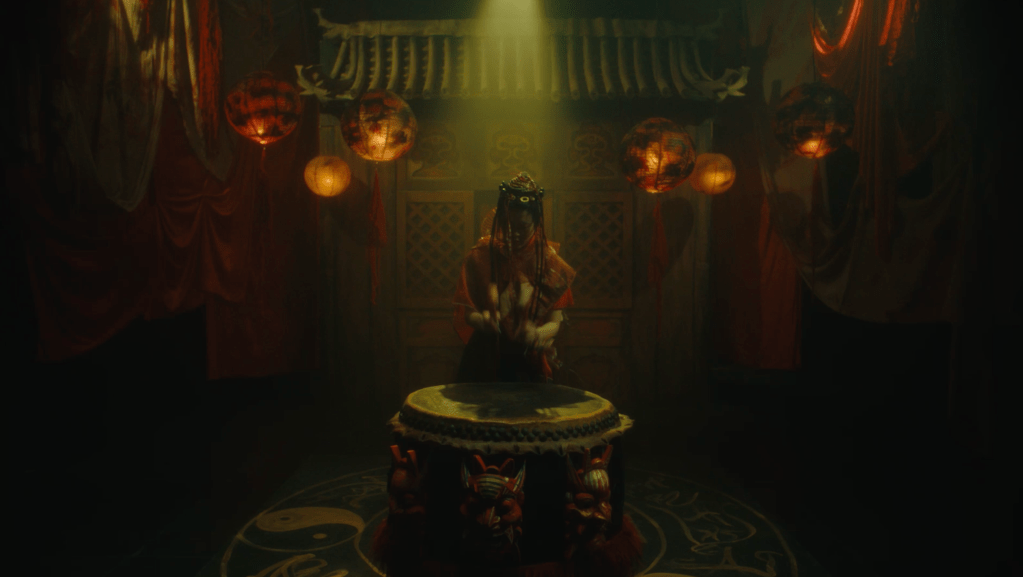
To accompany the academic research elements in this exegesis, two main creative works will also be used as case studies for experimentations in composition. Chicken Salad (working title) is a short film that tells a story set in a future world where food is made synthetically, a prodigious flavour designer, whose new portable food printer promises to launch her career, discovers the lost art of cooking and a human connection science cannot simulate. This futuristic sci-fi family drama is being filmed in Mandarin and explores the core values of Asian cultures including family relationships and personal connection. Sister Drum (working title) is horror oriented short film that tells the story of a young drummer who is overwhelmed with guilt and comes across a mysterious drum at an uncanny gift shop that revives her career, after the passing of her younger sister in a car accident, but with unintended consequences. The music for these two films takes significantly different directions, as the score for Chicken Salad explores the combination of ethnic and Western instruments in a modern grooved-based setting, while Sister Drum requires a suspenseful approach to the music, where lots of unusual and extended techniques of traditional instruments are used, in combination with both acoustic and electronic atmospheric textures.
Definition of key terms and exegesis structure
Instrumentation – The process of selecting instruments and the formation of the instrumental palette for a composition.
Orchestration – The technical process of utilising instruments and writing for them, including selecting instrumental combinations, instrumental range, instrumental textures and more. In this essay, orchestration is discussed as a tool for composition, where the composer executes both aspects.
Composition – The procedure of writing a piece of music, including the aspects of instrumentation at the initial stages and orchestration as part of the process.
Western instruments – Musical instruments commonly used in the standard symphony orchestra including all string, woodwind (including saxophones), brass and percussion instruments; also including acoustic instruments of the rhythm section.
Ethnic/Traditional instruments – Musical instruments outside of the Western instruments realm that have their origin and history in a specific ethnicity/region.
As film scholar Audissino (2017) discusses, music exists in a film due to the needs “that are internal to the film’s formal system” that connects narrative elements and enriches the realism of the film (2017, p. 127). Similarly, in scoring for cross-cultural films, the music requires an additional layer of consideration in terms of cultural representation and even carrying linguistic elements in the music. For example, in Chicken Salad the music is required to translate humour to the audience who might not understand the language. This exegesis begins with exploring relevant literature works relating to cross-cultural films, concert compositions as well and screen compositions, followed by several case studies with more detailed technical analysis. The theoretical content is supported by the research and experiments carried out in composing and creating the scores for both Chicken Salad and Sister Drum, while many of the concepts and findings from the previous research are incorporated into the writing.
Chapter 2: Source review
Brief background of the rise of film works with Asian cultural elements.
Apart from the Hollywood classics produced during the Golden Age of cinema from the US, foreign films started making their way into public prominence in the 1990s, starting with martial arts films from Hong Kong gaining significance in the film market (Pham, 2004). As Szeto (2011) discusses, Hollywood witnessed an “influx” of Hong Kong film stars and filmmakers such as John Woo, Tsui Hark and Ang Lee, who made a significant mark on this first wave of martial arts films gaining international recognition (p. 1, 2011). Many of these films immediately became international classics including Ang Lee’s Crouching Tiger Hidden Dragon, which brought into centre focus the Eastern philosophies and aesthetics of Taoism, Confucianism and Buddism as well as the “three main themes of Chinese virtues of chastity, loyalty and filial piety” (Chiang, 2012, p. 64). Hong Kong cinema was competitive commercially despite not having equal influence politically and economically, however, it was influential to filmmakers in Hollywood and beyond (Szeto, 2011). The success of Crouching Tiger Hidden Dragon was unprecedented, and it was a cumulative effect of the number of martial arts related films and filmmakers who have successfully established a reputation in the Western world previously (Arnold, 2001).
It is also worth mentioning another stream of Asian cinema that has a great impact on film history, the Japanese cinema. Works from Japan is without doubt one of the several most important cinematic streams in Asia that is influential even to filmmakers in the West (Russell, 2002). Japanese cinema enjoyed great artistic successes during the 1930s to 1960s under the studio era, which happened parallel to the Hollywood classic era that is “globally configured as a discourse of modernity” (Russell, 2010, p. 30). Subsequent filmmakers such as Kurosawa who has genuine artistic connections with Western worlds and Western arts have produced works such as Ran (1985) and Dreams (1990) that influenced filmmakers in the West while maintaining the artistic roots of his own country (Sheer, 1998). It is also worth mentioning that the success of many of these cultural cross-over films features a musical score that supports or transcends the film at times, most notably Tan Dun’s score for Crouching Tiger, Hidden Dragon. TAN’s Oscar-winning score has become an international classic since the release of the film, and TAN has gained international acclaim for his contributions in successfully creating a score that has its roots in oriental aesthetics and has been well-received and recognised in the Western world and beyond (Hung, 2012).
Cross-cultural orchestration in concert music
Many composers who are prominent in scoring cultural cross-over films have their roots in composing for concert halls, therefore it is vital to understand the techniques of composing for the combination of both ethnic and Western instruments from a technical compositional perspective. In this section, the focus of orchestration concepts will primarily focus on the incorporation of Asian/Chinese instruments in a combined setting, such as symphonies and concertos, however, these techniques can be applied to instruments from many other cultures.
Many composers and performers have gained worldwide recognition for their cross-cultural compositions and performances, creating a “complex synergy” with musical elements and aesthetics of both Chinese and Western musical elements (Yang, 2017, p. 10). Some of the most notable composers who have been pioneers in “cultural synthesis” are TAN Dun, CHEN Qigang, GUO Wenjing, CHEN Yi, ZHOU Long etc (Rao, 2017, p. 163). Composers who are pioneers in this area often draws inspiration from traditional music from his/her home country, for example in many of TAN Dun and CHEN Qigang’s work, musical characteristics and aesthetics of the traditional operas from various regions in China were used dominantly as themes or inspirations for new compositions for Western ensembles, forming an important part of the sound of the first wave Chinese eminent composers (Rao, 2017). The term “East meets West” is considered a “neologism” that emerged in the 20th century to describe cross-cultural works that “amalgamate especially Chinese and Western elements”, produced as a result of the increased interaction between the East and the West socially and economically (Lau, 2017, p. 271). The musical aesthetic of “timbral duality” is key to these compositions, and while Western and ethnic instruments work differently, there are many effective ways of combining them in a fitting and meaningful way in a composition (Winzenburg, 2017, p. 194). A common trait in the compositions by the “East meets West” compositions is that the majority of these words are scored for Western ensembles, however, the musical material was drawn from or inspired by musical traditions or gestures of their home country (Lau, 2017).
As Winzenburg (2017) argues the fusion in instrumentation results in orchestration possibilities that were not possible with only Western or Asian instruments, and composers have enjoyed great success in exploring the area of cross-cultural compositions. This is evidenced in the increasing number of works composed for traditional instruments (mostly as soloists in concerto settings) with Western ensembles. Using the flute family as an example, in GAO Weijie’s Dreams of Meeting for dizi, Western flute and orchestra, the two flutes from different origins contrast and complement each other in sound and performance, as well as GUO Wenjing’s Chou Kong Shan for solo dizi and orchestra where the dizi’s agility and the player’s performance was presented at a virtuosic level (Winzenburg, 2017).
Case study: Chou Kong Shan (1992) – composed by GUO Wenjing
Chou Kong Shan is one of the most well-known works by renowned Chinese composer GUO Wenjing. The piece was scored as a Chinese bamboo flute concerto with orchestra and the work itself has been performed worldwide and received critical claim (Winzenburg, 2017). Conceptually, as Guo (2003) himself describes despite being a Western classically trained composer and the majority of his compositional output is for Western ensembles, his music often draws influence from his home country and in particular these three elements: the dark atmosphere symbolised by mountains, the performance of Sichuan Opera, and the stories of old and new legends. The significant research value of this piece remains in the masterful concepts of combining musical forces between the East and the West. The Eastern solo instrument as well as the composition concepts are successfully integrated into a completely Westernised musical language, with Western orchestrations and contemporary harmonies. The whole piece uses a highly chromatic modernist compositional approach where the solo part is also highly chromatic, which results in a huge technical challenge for the soloists to perform on a traditional 6-hole bamboo which is intended for diatonic playing in a single key only. Guo’s incorporation of a traditional Chinese instrument in a Western concert setting with Western orchestrations and musical language highlights many possibilities for exploration. In this case, Guo adapts the tradition of the dizi to suit the Western language while on the other hand, the piece itself prioritises Eastern aesthetics which is unusual to the Western ensemble.
Film & TV case studies:
– New Gold Mountain (2021 TV series)
New Gold Mountain is a 4 x 1hr drama series directed by Corrie Chen, with a musical score composed by renowned Australian composer Caitlin Yeo. This work tells the rare story of the gold mining era in Australia from the perspective of Chinese miners, and it has received critical acclaim nationally including winning the best score in television in the 2021 ASACTA Awards. Yeo discussed in an interview with Screen Australia (2021) that a key part of the music is incorporating the Chinese influence into the score and enhancing the cultural significance and storytelling via music. Yeo discussed an interesting innovation in character setting via music where Western music was used for the Chinese characters and Chinese music was used for the Western characters, which ultimately created a great “antagonism” across both camps (Bizzaca, 2021). In the process of composing the music, ethnic instruments from China such as Pipa and Guqin were used, as well as an assortment of percussions including a gold pan. Yeo skilfully integrated the Chinese aesthetic into the music by supplementing an existing Western ensemble with Chinese instruments and by inputting Eastern flavours into Western instrumental performances, mostly notably ornaments.
As heard in the main theme, Yeo used a pipa and guqin along with Western strings and a selection of percussions to create a blended sound for the cue. The ethnic instruments here are used as part of an ensemble with the piano, strings and western percussion. In this cue, they act as a supplement to the ensemble, with roles of carrying the main thematic material at different times and providing an ethnic colour to the music as an accompaniment. The blended sound of this score highlights the core culture fusion quality of the story and accommodates audiences in Australia and beyond while maintaining the Chinese cultural aesthetics.
– Crouching Tiger Hidden Dragon (2001 film)
Crouching Tiger Hidden Dragon is an Academy-winning film directed by Ang Lee, with a score composed by TAN Dun. This film has its roots in wuxia fiction films originating from Hong Kong as well as the classical Taoist philosophies (Szeto, 2011). This film was adapted from a novel published during the 1930s, featuring a romantic martial arts story set in the ancient world of China. The “Chineseness” of the film is characterized by the sword-fighting scenes, location settings, period costumes and more; but at the same time, Lee had his target audience beyond China (Wang & Yeh, 2005, p. 6). In the score, TAN used several ways of incorporating ethnic aesthetics into the music while still maintaining the music’s suitability and accessibility for a worldwide audience. Most notably TAN features the cello predominantly in the music, performed by internationally renowned cellist Yoyo Ma who adds a sense of fitting “yearning” and nostalgia to this ancient story (Hung, 2012, p. 662). The cello is a Western instrument, but TAN skilfully orchestrated it to blend into the mixed ensemble while featuring the cello performing portamento and bending techniques in the style reminiscent of the erhu, this way the ethnic aesthetic is delivered without the need for an ethnic instrument but with an instrument that is familiar to the majority of the audience (Friesen, 2010).
There are three main characteristics to TAN’s scores, the soaring performance of the main theme, the exotic ethnic instrumental passages and the percussion-based passages underscoring the fight scenes (Broxton, 2000). As a work aimed at a worldwide audience, TAN combines the typical lush orchestral sound while blending subtle ethnic colours into the music, evidenced in the very opening of the film and this technique was used throughout the score (Friesen, 2010). The ethnic instruments add important but non-dominating colours to the overall cinematic textures.
– Ran (1985 film)
Ran is a historical film directed by Akira Kurosawa and is arguably one of Kurosawa’s most well-known films. The film features a score composed by renowned Japanese composer Toru Takemitsu, who is known for composing music for both concert halls and film; Takemitsu has scored over a hundred films and worked with revered Japanese directors including Masaki Kobayashi, Kon Ichikawa and Akira Kurosawa (Hrvatin, 2023). Kurosawa’s musical choice for his films is distinctive, as influenced by the Western musical tradition and they are often “extra-diegetic”, rarely as a filter for the image on screen (Sheer, p. 358). As discussed by Catania (2006), composer Takemitsu established a soundtrack with “echoing hollowness” based on his “symphonic elegy” and the extensive use of Japanese ethnic instruments especially the Nohkan flute, which sets the tone of the score while providing dramatic communication (Cantania, 2006, p. 88). Takemitsu skillfully established a sound world in the music that effectively matches the noh-liked quality of the work by using extensive extended techniques on different instruments within an unusual ensemble, and he has done so in the language influenced by the Western contemporary classical tradition. As heard in the opening credits, the high string clusters are featured along with pointillistic uses of (Japanese) percussion instruments, a common orchestration gesture in contemporary music. Despite the sparseness of the music, it enhances the visual impact and core concepts behind the story in an extremely effective way.
Takemitsu incorporated the traditional Japanese Nohkan flute into his score where the extremely high register is often featured, this is done to enhance the embedded conflict in the plot with the piercing and discomforting sound of the Nohkan flute when performing in the high register. The music material Takemitsu wrote for the Nokhan flute is within the idiomatic performance of the instrument but with varied uses of chromaticism and extended techniques. Takemitsu orchestrated the flute as part of the overall ensemble where it has its place in the score separated from the Western instruments. The flute is most often given the role of carrying important melodic themes and is often used to indicate a sudden shock or conflict within the story.
Identification of research gap and research contribution
During the process of researching scholarly literature as well as creative works of compositions and films, despite the extensive research done in the concert music world, the exploration of cross-cultural composition for media is relatively limited. It is hoped that my findings through research and carrying out the two main creative projects discussed in this work would be able to add to the existing literature, especially on the topics of how cross-cultural orchestration can be used as part of the composition process to enhance story telling via music, and techniques and frameworks of doing so. It is worth noting that the majority of musical decisions made during the composition process for the two screen projects were predominantly based on the narrative purpose of the music, along with the interplay between music and the story shown on screen. This is done to ensure that the music is written with dramatic functions in mind to consolidate its purpose for researching the influence of orchestration (as part of composition) on the narrative function of the music.
Chapter 3: Methodology
This exegesis could be considered a creative practice research as the creative aspect of composing for the two main projects forms the foundation for the generation of findings. The creative artefacts are considered part of the research output for this exegesis, where the process of orchestration investigation (as part of the composition process) is a way of exploring the research question in practical form. This exegesis also takes a constructionist viewpoint, where a qualitative/insider perspective is valued, and the research outcomes are constructed based on the experiments performed to satisfy the creative research.
During the research process, the framework of the Kolb Learning Cycle (Schon, 1987) was adapted as a guide to process findings and establish new directions for moving forward. The process of writing each cue is an experiment on its own, and it usually starts with the “experience” phrase where the new ideas initiate. Then the effectiveness of the score is assessed based on self-assessment and/or playback with the director, corresponding to the “reflect” phase of the cycle. The next step in the framework involved “conceptualising” and the generation of plans for improvement and the implementation of changes, while the whole cycle completes with the “testing” phase where the final project as well as the learning from composing this particular piece informs future practices.
The main methods of research are paralleled between scholarly theoretical research and creative compositional practice. The research question is explored through the compositional process, where composing is treated as a form of research during the process. All the composition practices and principles are underpinned by research in both literature and creative forms, including films, concert music compositions and music for other relevant media formats. The process of documenting the compositional process is vital in preserving the creative research element of the work which also serves as important data collection in the whole research process. In addition, the research carried out in this work is also supplemented by the following methods listed below:
- Score Study – Understanding the existing music literature and previous significant works completed in relevant fields.
- Aural Studies / Analysis – Close and contextual listening to perform detailed musical analysis based on aural experiences only (including transcriptions).
- Film Analysis – To understand the impacts of the music in the film as a whole.
- Interviews – Investigating different perspectives and learning from industry experts.
Chapter 4: Research Reflection
Brief background of creative project/s and compositional concepts
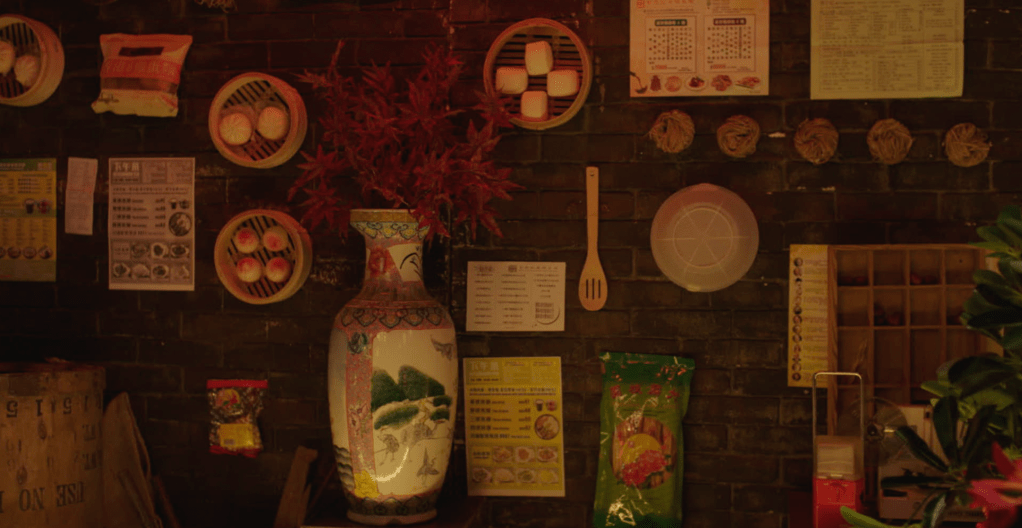
Chicken Salad (working title) and Sister Drum are the two main creative projects discussed in this exegesis and they presented different challenges and offered contrasting pathways for the research question to be explored. Chicken Salad is a sci-fi futuristic drama short film with two distinct world settings, first in the cold and high-tech Food Inc. space and then in the family kitchen of Stanko, highlighting a contrasting warmer and more nostalgic atmosphere. Despite the film being set in a futurist world visually, the storytelling follows the traditions of live-action dramas where the plot is advanced through the action and dialogue of the characters on screen. Combined with the factor that the whole film is shot in Mandarin; the music’s role has an extra layer of connecting the cultural core of the story and the target audiences outside of the Mandarin-speaking realm. For this film specifically, the three main roles of the music include reflecting emotion when dialogue is intentionally indirect, highlighting and catching intentional dramatic action on screen and translating aspects that might be lost during the linguistic translation.
Sister Drum on the other hand is heavily visually drawn, with one actor and very minimum dialogue, the storytelling is predominantly relying on the cultural and genre-specific production design and the visual impact that it creates. The music, in this case, is required to not only accompany the drama of the picture, but it will also need to match the highly stylised visual design and cinematography, hence the very specific instrumental palette was chosen. The overall style of the work is Asian/Chinese-centric with a story background deeply embedded in ancient Chinese culture and literature. However, the film is aimed at an international audience, and this is evidenced in the formation of the crew as well as in every aspect of the production including music composition. Throughout the score, creating a hybrid sound that stays genuine to the horror genre while maintaining the cultural aesthetics remains core to the composition. In this exegesis, the music suite will be discussed as the film is currently under production.
Summary and reflection on the creative process
- The choice of instrumentation in Sister Drum.
To match the highly stylised story and visual imagery of the film, a specific ensemble was chosen to accommodate the need for culturally specific sounds and an overall unique sound world suitable for the horror genre. The instrumental palette for the score consists mainly of four instrumental families, the percussion section including an assortment of Chinese percussions including the featured Chinese drum; a selection of synthesized pads, a chamber string section; as well as a selection of Chinese instruments including the Xiao (Chinese flute), Guzheng (Chinese harp), Pipa (Chinese lute), Erhu (Chinese fiddle), traditional Chinese operatic voice and Tibetan singing bows. It is worth mentioning the addition of the Tibetan singing bows, these are rare instruments to be used in a film score or concert music for their limited projection and regional-specific sound; however as part of the background of this film involves Tibetan culture, this instrument was suitable for the score. As a typical horror film treatment, the Tibetan singing bow track was treated with an extensive amount of modulation effects (Chorus/Tremolo/Delay) to create a sound that swings between the stereo fields in a clear yet mysterious way.
The big Chinese drum featured in the score is indirectly created as a character on its own. During the creation of the score, the drum sound was specially treated to sound much deeper and more resonant (longer decay) than the instrument would perform acoustically to highlight its mysterious darkness as seen in the film.
The assortment of Chinese instruments represents three of the most distinctive and contrasting types of instruments in the instrumental catalogue with xiao being a traditional wind instrument, guzheng and pipa as a plucked string instrument, and erhu as a bowed string instrument. Each instrument has its strength and cultural bearing inherited from traditional repertoires. The erhu’s unique ability to express extended long-phrase melodicism as a string instrument and the Guzheng’s capability of large glissandos between strings in almost any tuning was used to their advantage for different dramatic purposes, even in technically unconventional and extended ways.
- The use of voice in Sister Drum
Apart from the pure instrumental aspect of the score, a special operatic voice in the traditional style was also incorporated into the music for the specific reason of highlighting drama in a way that remains reminiscent of Chinese culture.
Despite the texture being a short figure, it is prominent in the formation of the sound world. The voice was designed to add a sense of horror and mystery, a small sample of operatic singing was used while the pitch was detuned and the length of the clip was stretched artificially, supplemented with a stereo echo placing the segment in the rear end of the sonic spectrum. The voice of traditional opera is very reminiscent of traditional Chinese music while the style of singing is also uniquely distinctive. The sonic effect of the vocal texture after digital alterations present an unnatural yet discomforting atmosphere, which perfectly suits the visual imagery of the segment on the screen where the female protagonist’s (artificial) skin starts falling off painfully.
- The exploration of unusual and extended instrumental techniques in Sister Drum
One of the main characteristics of ethnic instruments is their unique ability to produce unusual but colourful sounds with uncommon and non-traditional ways of playing. As the film begins in a fading atmospheric way visually with dimmed lighting and darkened surroundings, a common way in horror works is to contrast the image with a sudden and dramatic texture in the music to give the audience a clear shock, and in this case, an overblown gesture on the Xiao was used. This is produced by overblowing air into the instrument to produce a sudden attack of sound without a definite pitch, similar to the same effect on the shakuhachi.
Following the same idea of producing non-traditional sounds, the exploration ventures into finding ways to produce pitch outside of the standard Western scale. As traditional instruments are used to perform in pentatonic or major scales, one of the easiest ways of exploring non-tonal sounds is to use the non-pitched side of the Guzheng. The left side of the Guzheng was intended for string bends, however, it produces an uncanny effect when the strings are plucked as they produce indefinite pitch and are often not very contrasting with the Western tuning and tonal system. It is rarely used in traditional repertoire but in this case, it was very useful, especially in the passage where the sul ponticello (close to bridge) technique was used, the sound appears to be piercing and dark in quality, adding a suitable supplement to the existing soundscape. In addition, glissando is also possible on the non-pitched side of the instrument, and it builds great momentum no less than the pitched side.
Another interesting effect that is suitable for horror is a contemporary technique where the string of the Guzheng is scratched horizontally to produce an irritating effect, and this texture is used in this film specifically to match the supernatural visual style of the set design.
For Western instruments, the chamber strings are used as a supplement to the overall sound adding subtle sustain textures underneath the ethnic and percussion instruments. Apart from the standard way of strings playing, a specific sample was used to intimate the effect of string performance of portamento while the bow moves horizontally from sul tasto to sul pont. This way the strings produce an uncommon texture that plays beneath all the other elements of the score without drawing attention to itself, while adding interest to the sustained background figures. This method of performance is borrowed from Eastern musical tradition where portamento and bending notes are common and microtones that do not fit into the Western scale are part of the musical language.
- Different aspects of blending instrumental colours in Sister Drum.
The general principle for the fusion of instrumental colours between different families in this film is to orchestrate the Western material to adapt the ethnic textures in an ensemble setting. As the score takes a fragmented approach where the melodic ideas are presented in small segments featuring a variety of extended techniques, the principle focus remains on the ethnic colours while the Western strings and synthesised instruments should serve as background figures to accommodate the Eastern colours.
Different families of instruments process distinctive colours on their own, and various orchestration considerations must be in place for effective musical translation. A lot of care was taken to ensure that the textural thickness of the music was appropriate for the instruments involved. In an ensemble setting for this score, when the ethnic instruments are featured, the background and accompanying figures are always kept relatively sparse both rhythmically and texturally to ensure the musical focus is clear. In addition, with such a strong percussive feature in the score, the sonic range is another major consideration for orchestrating in this situation. The synth pads are almost always occupying ranges that do not interfere with instruments that are playing a segment of the melodic theme, or they are low in volume and intensity. Another useful pattern that was discovered during the composition process was that as most of the instruments chosen in this ensemble are melodic instruments, it’s very effective to turn melodic segments into rhythmic accompaniment patterns, or simply use rhythmic percussive effects on the instruments to maintain momentum while not taking attention away from the main focus in the music. In various instances, the plucked strings (pipa and Guzheng) play percussive sound effects only underneath the sustained strings and synths to enhance the percussion grooves while leaving space for the other instruments.
- The choice of instrumentation in Chicken Salad.
The instrumental palette selected for Chicken Salad is a combination of instruments from various genres. As a futuristic sci-fi film, this project requires the music to build a unique sound world that has its characteristics, not contained in a specific period nor should it be in a specific genre throughout. The discussion of music started before the initial shooting of the film and several common ground principles were established. There will be two contrasting sections in the film. When the film takes place in the futuristic Food Inc., the music should be fast-paced and groove-based, with influence from the jazz and electronic genres. On the other hand, the music should return to a genuine presentation of acoustic performance when the scene takes place in the family kitchen, the music should subtly feature ethnic colours while maintaining the jazz-influenced flavour, representative of the nostalgia of old Shanghai jazz music.
The instrumental ensemble selected for the groove-based part consists of a standard small horn section of (alto/tenor/baritone) saxophones, trumpets and trombones, paired with a mixed rhythm section of acoustic bass, electric guitar, drum set and electric piano. This ensemble is supplemented with slight electronics and a hint of ethnic flavour with the addition of the dizi (high Chinese flute), which performs a similar role to the flute in a jazz combo setting. This instrumental setting maintains the core ensemble for the work throughout the first half of the film. This is done to maintain a consistent sound of the score, while the feeling of genuine instrumental performance creates an intentional contrast to the isolated world set up on screen.
- Orchestration choices in Chicken Salad.
Several different orchestration approaches have been used during the composition process for this film so far, including the experiments of orchestrating ethnic instruments to perform material originating from the Western jazz language and substituting Western instruments in a shared passage.
The dizi (bamboo flute) is one of the common and well-known instruments in the Chinese traditional instrument family, easily recognisable for its signature piercing sound in the high register and various expressive techniques that it is capable of. In writing the above cue, a repetitive, blues-based riff is featured underscoring an animated sequence of a TV commercial for the newly invented food printer. The brief of this section requires the music to be relatively fast-paced leading into the next scene inside the Food Inc. To accommodate the intentionally highly commercialised design of the picture, this cue was originally composed for a jazz combo only to reflect a typical sound of elevator music and music for ads, with staggered entries of the various saxophone and rhythm section instruments. However, it was later re-considered that as the opening of the film, the idea of connection (or the lack of connection in the world of synthetic food) between cooking and humans was presented for the first time while an important introduction was delivered by the protagonist, it was decided that it’s appropriate for the addition of an ethnic instrument purely for a hint of its timbre colour. The dizi flute was thought to be the most suitable in this situation, as an adaption of the original material, the chromaticism in the blues scale as well as the groove of swing was not idiomatic for the dizi, but it was effective in hinting a sense of culture in the music to reflect the initial setting of the protagonist.
In one of the scenes in the film where the father of the protagonist accidentally interrupts his daughter’s presentation of the newly invented food printing machine, the humour behind the construction of this scene heavily relies on the dialogue and the intentionally created misunderstanding between the different characters. Due to the dialogue being dense and in Chinese, a lot of the humorous effect might be lost during the translation process and therefore the music is required to provide an additional layer of linguistic translation in the underscore. A suona, a traditional Chinese trumpet-liked instrument was used here along with the existing jazz combo. The main orchestration technique here is the adapt the suona to fit the jazz context and take the role of a lead saxophone or trumpet in a big band, while intentionally creating a feeling of the suona not fitting into the surrounding musical environments, which effectively synchronises with the plot at this very moment. Suona is known for its use at significant events such as weddings in remote villages in China, for the audience who has previous knowledge or has heard of the suona before, the humour is easily translated; while for audience who are unknown of this instrument, the natural instinct of the suona is intentionally incorporated for comic effects could also be sensed.
- Anticipated compositional approaches for composing the final score.
Due to the film being still in production, the scoring methods for the final artefact will follow a similar route to the tracks already composed, but with several new directions and considerations proposed to enhance the storytelling within the score. It was noted that it might be worth showing what a particular ethnic instrument would perform traditionally before using it in an uncommon way or putting it in an unconventional musical situation later in the score. For example, with the use of suona in the cue discussed previously, the chance of the audience recognising the humour within the music is higher if a segment of traditional performance of the instrument is incorporated in the score before the appearance of this cue. The finale of the film consists of a long cue that runs through the final scene and credits, and this cue intends to unite all previous themes used throughout the score and intergrade them as one piece of music. As the film has reached the ending with all the stories being revealed, the music is relatively freed from its role of delivering dramatic intentions, where various combinations of instrumentations and orchestration methods can be utilised, while staying authentic to the genuine core of the story and its dramatic arc.
Chapter 5: Findings and Conclusion
Reflecting on the creative process and the artefacts produced during the process, a framework for orchestrating music for cross-cultural media has been proposed and will provide useful guidance for future projects in a similar realm. Through researching relevant literature and creative works, as well as the composing for the two main creative works, a framework consisting of four methods for combining ethnic instruments in a Western score was proposed.
- Orchestrating Western material to ethnic instruments.
- Orchestrating Western instruments to sound ethnic.
- Orchestrating ethnic colours to adapt to the West.
- Orchestrating ethnic instruments as part of a mixed ensemble.
The most common way of adapting Western musical material for ethnic instruments is found to be a good starting point for the orchestration process. While composing for a film, a key quality in the majority of ideas/themes initiated at the beginning of the compositional phase is likely aimed at being suitable for as many instruments as possible (with range adjustments) while engaging the ethnic instruments to duplicate the material to purely add sonic colours was usually the easiest way in using them. The advantage of this method is the consistency of melodic materials; however, the ethnic instruments might lose their genuine quality if the material is not idiomatic for the instrument which could also result in difficulties in performance by real musicians.
The second way of orchestrating Western instruments to sound ethnic is also a common pathway in these situations. This method is enhanced if the musical material is also originated, inspired or written with the aesthetics of culturally specific musical traditions in mind. During the process, many aspects could also provide positive assistance to the orchestration including the use of appropriate harmonic spacing, idiomatic stylistic writing for particular instruments etc. There are many instances in both creative works where specific bending and sliding techniques were used on Western instruments such as violins and saxophones to reflect the common ornamentations found in traditional Chinese music.
The third method of orchestrating ethnic colours to adapt to the West is a useful way to execute when the ethnic colours are added later in the process to supplement the existing score built on Western instruments. This way the ethnic instruments might need to perform material that is not idiomatic to its tradition, however, it is still safe to use them within the technical constraints of the players. For example, in Chicken Salad, a lot of the ethnic instruments perform passages with tight rhythmic figures and occasional blues ornaments were used; these elements that are standard in the jazz and blues musical language were not idiomatic to the Chinese instruments, despite most of the passages are safe to execute on the instruments.
The key to the final way of orchestrating ethnic instruments as part of a mixed ensemble is to balance the traditional instruments and the rest of the ensemble with equal weight, where considerations were given to both sides regarding idiomatic composition styles and playing techniques. Each instrument could produce sounds that were intended for them, and minimum compromises were needed during the blending within the ensemble. This is the approach that was favoured in composing for Sister Drum. During the very beginning of the composition process, great care was given in the planning phase to establish the role of each instrumental family and their functions within the music. This is done to ensure that the overall sound of the ensemble is a true fusion of ethnic and Western textures, where each instrument operates within its idiomatic zone even when uncommon and extended techniques are used for special effects.
In addition, there are aspects of orchestration found in the process that do not produce the expected results with many anticipated causes. The combination of Western and ethnic percussion is an interesting topic worth mentioning as it raises key questions relevant to the effectiveness and appropriateness of the composition. In one of the cues for Chicken Salad, an experiment is done by putting a kuaiban (Chinese wooden percussion instrument) on top of a standard Western drum set groove. From a theoretical point, all aspects of the composition are appropriate from the writing point of view, with matching rhythm and timbrel colour. However, the sound of the combination was proven to be unnatural to someone familiar with the kuaiban. As the kuaiban is traditionally and primarily used for the specific northern style of Kuaibanshu, a storytelling performance with pre-designed rhythmically syncopated dialogue, the cultural bearing behind the instrument sounds out of place when combined with the drum set.
Another aspect that was observed in general when incorporating ethnic instruments in a film score is that the sharp attack qualities of most traditional instruments often stick out as a foreign colour unintentionally. Due to the nature of the sound production, most ethnic instruments in Asian regions and beyond were designed for soloistic playing. The blending within an ensemble especially with Western instruments must be done carefully to ensure the desired effect is achieved. Several possible solutions were found during the composition process, including intentionally doubling it with a Western instrument of similar or completely contrasting colour to muffle the distinctiveness of the timbre; or orchestrating in a register where the sensitivity of attention is lower, or orchestrating it within a passage where it only takes part of the texture and shares or dovetails similar material with other instruments.
Through composing for both Chicken Salad and Sister Drum, many new aspects and frameworks were found for incorporating ethnic instrumental colours in a Western-targeted cross-cultural score, particularly in the aspect of instrumentation and orchestration, both are considered key parts of the compositional process in this exegesis. Traditional instruments around the world have different development paths to the standardised instruments in the Western orchestra, where extensive research of orchestration has been done in both literature and compositions in the last few centuries; the incorporation of ethnic textures into a Western ensemble requires special care in effectively matching the timbre qualities between different instrumental families.
Orchestration alone has the power to indirectly or directly highlight dramatic contexts by using instruments (ethnic or Western) in an idiomatic, extended, uncommon or stereotypical way to enhance the storytelling within music regarding the present musical material.
As outlined in the formation of the orchestration framework, the role was instrumentation and orchestration were extensively explored during the research process, and it was worth noting that the interplay and relationship between the two areas and the impact they have on each other. The role of instrumentation as an important part of initial instrumental selection sets the tonal foundation of the score, often with inputs from directors and guidance from the film; for example, the need to highlight location on the screen, following a specific scoring tradition or other relevant factors. The choice of instruments ultimately sets the possibilities of orchestration, moreover, the role of orchestration is to utilise these instruments to their best advantage in service of the drama of the story and the storytelling aspect of the music. The choice of instruments affects the methods of orchestration, and this could work in a counter direction where a specific sound or texture is desired as a result of a specific orchestration method, the choice of instrumentation could be altered.
Moving forward, it is also worth noting the vital consideration of cultural appropriateness and respect for different cultures, as well as any special restrictions and guidelines, whether the composer is associated with that culture or not. Overall, the cumulated literature research and creative work produced in this exegesis have successfully provided effective frameworks for relevant compositional practices in a cross-culture film score and have initiated new ideas and pathways to further explore this topic in the future. The framework of incorporating ethnic textures with Western instruments is aimed at assisting future projects in similar realms with findings and techniques that are transferable to composing cross-cultural music beyond the Asian regions. For future research, it would be ideal to work on cross-cultural scoring projects that reach into cultures from contrasting regions of ethnicities, learning the nuances between different cultures and how music is positioned within their culture. The prompt emergence of multiculturalism in Australia and beyond has greatly enhanced the momentum of productions of cross-cultural works across film and music, and it is hoped that the creative works within this exegesis and in the future could contribute to the ever-changing and continuously enriching artistic landscape of the Australian and international arts sector.
Chapter 6: Bibliography
Arnold, D. (2001). Crouching Tiger: Hidden influences. Metro: Media & Education Magazine, 180-186.
Arp, R., Barkman, A., & McRae, J. (Eds.). (2013). The philosophy of Ang Lee. University Press of Kentucky.
Audissino, E. (2017). Film/Music Analysis: A Film Studies Approach.
Bizzaca, C. (2021). Podcast – Caitlin Yeo: Composing the score for New Gold Mountain: Screen news. Screen Australia.
Catania, S. (2006). Wailing Woodwind Wild: The Noh Transcription of Shakespeare’s Silent Sounds in Kurosawa’s “Ran.” Literature/Film Quarterly, 34(2), 85–92.
Chen, C. (Director). (2021). New Gold Mountain [TV Series]. All3Media International.
Chiang, C. (2012). Theorizing ambivalence in Ang Lee’s transnational cinema. Peter Lang Publishing, Incorporated.
Cowan, John. (1998). On becoming an innovative university teacher: Reflection in action: Reflection in action.McGraw-Hill Education (UK).
Dun, T. (2000). Crouching Tiger, Hidden Dragon. Sony Classical
Friesen, E. (2010). Great Music and the Spell of Cinema. Queen’s Quarterly, 117, 286-297.
Guo, W. (2003). Traditional Music as Material. The World of Music, 45(2), 125–126.
http://www.jstor.org/stable/41700064
Guo, W. (2022, October 09). SSO in Concert: Wenjing Guo – Bamboo Flute Concerto ‘Chou Kong Shan’ [Video]. Youtube. https://www.youtube.com/watch?v=XfcdBKeiXmI
Hrvatin, K. (2023). The Collaboration behind Takemitsu’s Film Music for Otoshiana (1962). International Review of the Aesthetics and Sociology of Music, 54(1), 87–106. https://www.jstor.org/stable/48732225
Hung, E. (2012). Tan Dun Through the Lens of Western Media (Part II). Notes, 68(3), 659–666. http://www.jstor.org/stable/41412198
Khorana, S. (Ed.). (2013). Crossover cinema: Cross-cultural film from production to reception. Taylor & Francis Group.
Klein, C. (2004). Crouching tiger, hidden dragon: A diasporic reading. Cinema Journal, 43(4), 18-42.
Kraidy, M. M. (2005). Cultural Hybridity and International Communication. In Hybridity, or the Cultural Logic of Globalization (pp. 1–14). Temple University Press.
Kurosawa, A. (Director). (1985). Ran [Film]. Toho Co., Ltd.
Lau, F. (2017). When a Great Nation Emerges: Chinese Music in the World. In H.-L. Yang & M. Saffle (Eds.), China and the West: Music, Representation, and Reception (pp. 265–282). University of Michigan Press.
Lee, A. (Director). (2000). Crouching Tiger Hidden Dragon [Film] Song Picture Classics.
Mativetsky, S. (2002). Comments by Tan Dun on His Music. Circuit, 12(3), 35–44. https://doi.org/10.7202/402002ar
Pham, M. T. (2004). The Asian invasion (of multiculturalism) in Hollywood. Journal of Popular Film & Television, 32(3), 121-131. https://doi.org/10.1080/01956051.2004.10662057
Pramaggiore, M., & Wallis, T. (2007). Film: A Critical Introduction (2nd ed.). Pearson College Div.
Rao, N. Y. (2017). Chinese Opera Percussion from Model Opera to Tan Dun. In H.-L. Yang & M. Saffle (Eds.), China and the West: Music, Representation, and Reception (pp. 163–185). University of Michigan Press.
Russell, C. (2002). Men with Swords and Men with Suits: The Cinema of Akira Kurosawa. Cinéaste, 28(1), 4–13. http://www.jstor.org/stable/41689542
Russell, C. (2010). Japanese Cinema in the Global System: An Asian Classical Cinema. China Review, 10(2), 15–36. http://www.jstor.org/stable/23462328
Schon, Donald, A. (1983). The Reflective Practitioner: how professionals think in action. NY: Basic Books.
Sheer, M. (1998). Western Classical Compositions in Kurosawa’s Films. International Journal of Musicology, 7, 355–373. http://www.jstor.org/stable/24620645
Szeto, K. (2011). The martial arts cinema of the Chinese diaspora: Ang Lee, John Woo, and Jackie Chan in Hollywood. Southern Illinois University Press.
Takemitsu, T. (2016). Ran (Original Motion Picture Soundtrack). Silva Screen Records Ltd.
Wang, G. & Yeh, E. (2005). Globalization and hybridization in cultural products, The cases of Mulan and Crouching Tiger, Hidden Dragon. International Journal of Cultural Studies, 8, 175-193.
Winzenburg, J. (2017). Spanning the Timbral Divide: Insiders, Outsiders, and Novelty in Chinese-Western Fusion Concertos. In H.-L. Yang & M. Saffle (Eds.), China and the West: Music, Representation, and Reception (pp. 186–204). University of Michigan Press.
Yang, H.-L. (2017). Music, China, and the West: A Musical-Theoretical Introduction. In H.-L. Yang & M. Saffle (Eds.), China and the West: Music, Representation, and Reception (pp. 1–18). University of Michigan Press.
Yeo, C. (2021). New Gold Mountain. LilliPLLLi IP.
 Ray Lin